Romy Gill at The Pem’s Approach to Seasonal and Responsible Sourcing
A dish begins long before it reaches the kitchen. It begins with the soil in which a vegetable is grown, the waters from which fish is caught and the care taken by farmers, growers and producers.
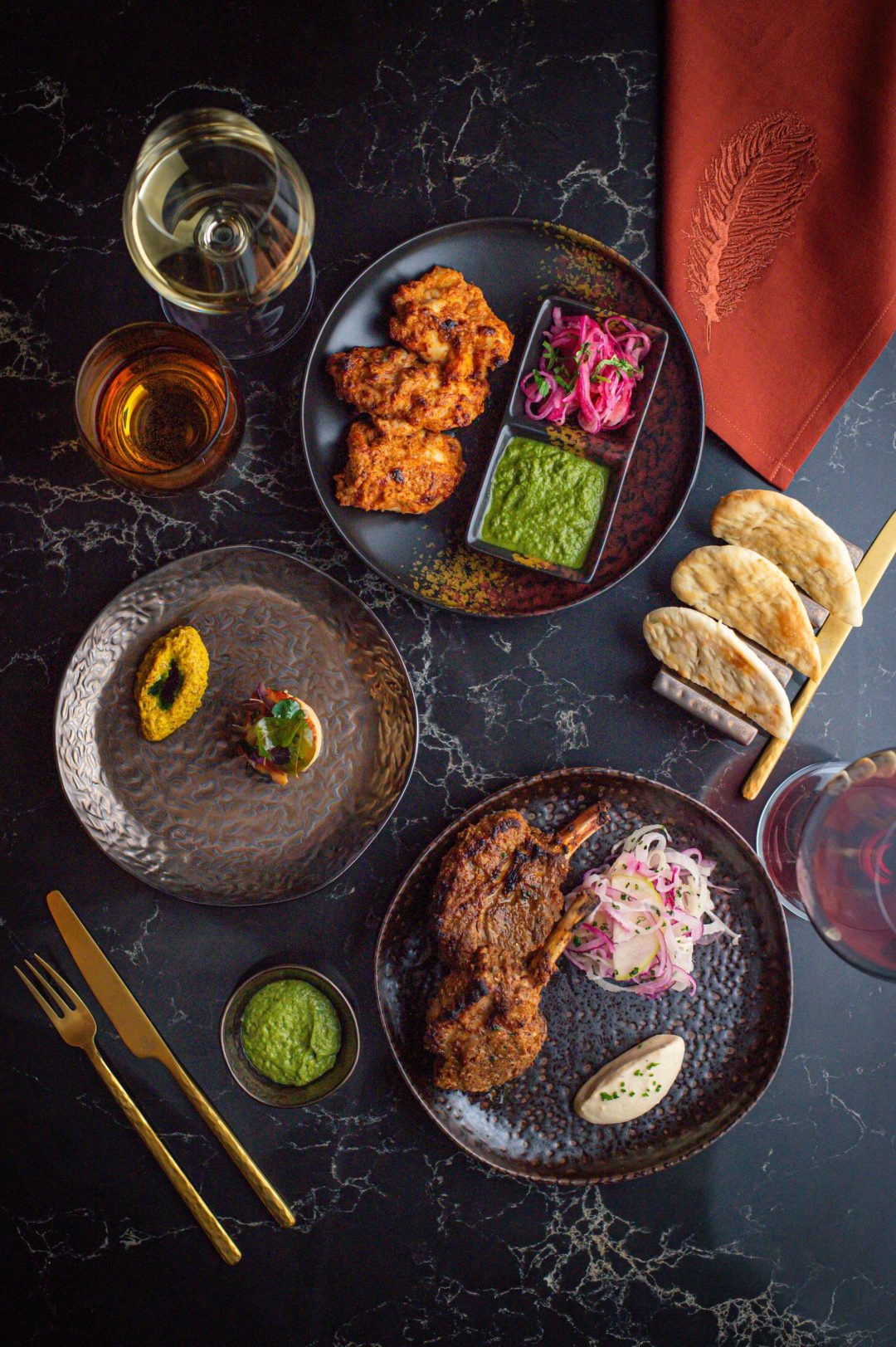
For Romy Gill, ingredients are not separate from the story of a dish. They help determine how it should be cooked and which spices, textures and techniques will bring out its best qualities. These carefully-selected ingredients are at the heart of social fine dining, and Romy’s menu.
Cooking with the seasons
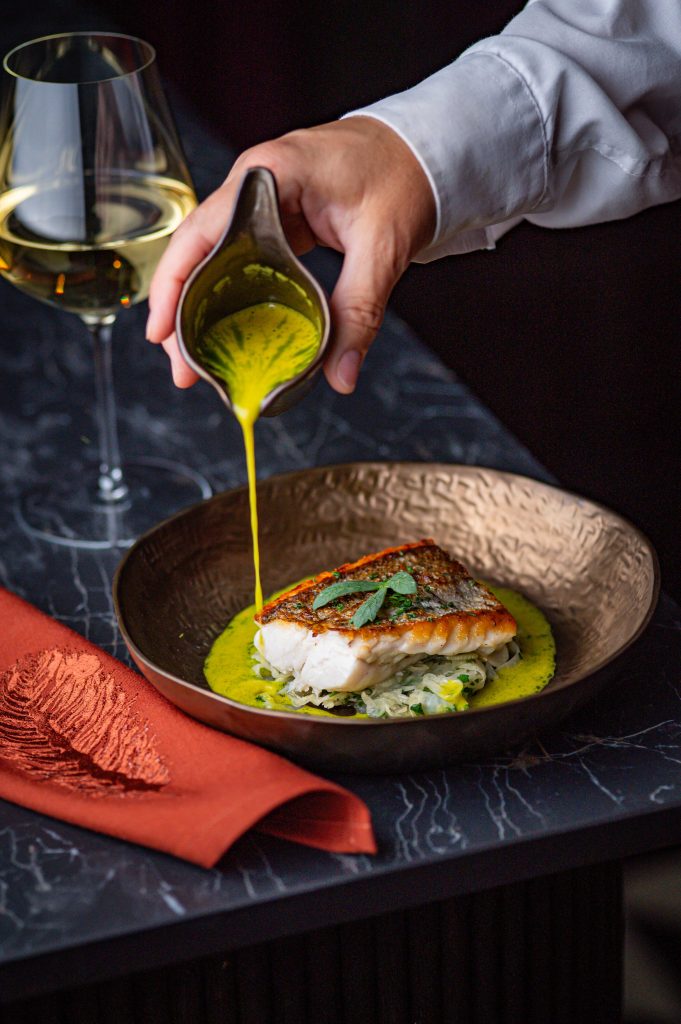
Romy grew up in India at a time when everyday cooking was closely connected to seasonal availability. Ingredients changed throughout the year, and meals naturally followed what could be found locally.
That experience continues to influence her cooking. Rather than beginning with a fixed dish and sourcing ingredients regardless of the season, a more thoughtful approach begins by considering what is currently at its best.
Seasonal produce can bring stronger flavour, better texture and a clearer sense of place. It also encourages variety. As different vegetables and fruits arrive, the kitchen has new opportunities to adapt familiar ideas and create dishes around them.
Indian cooking has always been local
India’s regional cuisines demonstrate how closely food and place are connected.
Coconut and seafood are natural features of coastal cooking in Kerala. Fish, rice and mustard are central to many Bengali meals. Punjab’s agriculture has shaped its traditions of wheat breads, dairy, vegetables and pulses. Rajasthan’s dry climate led to ingenious dishes using preserved ingredients, lentils and chickpea flour.
These cuisines developed by making careful use of what was available. Seasonal and responsible cooking is therefore not a new fashion imposed on Indian food. It is part of the way regional dishes have evolved over generations.
Bringing Indian knowledge to British ingredients
Cooking Indian food in Britain does not require every ingredient to travel from India.
Romy’s approach combines her knowledge of Indian spices and cooking techniques with seasonal ingredients found in Britain. A vegetable grown closer to the restaurant can still carry the character of an Indian dish when it is treated with an understanding of the right spice, acidity and cooking method.
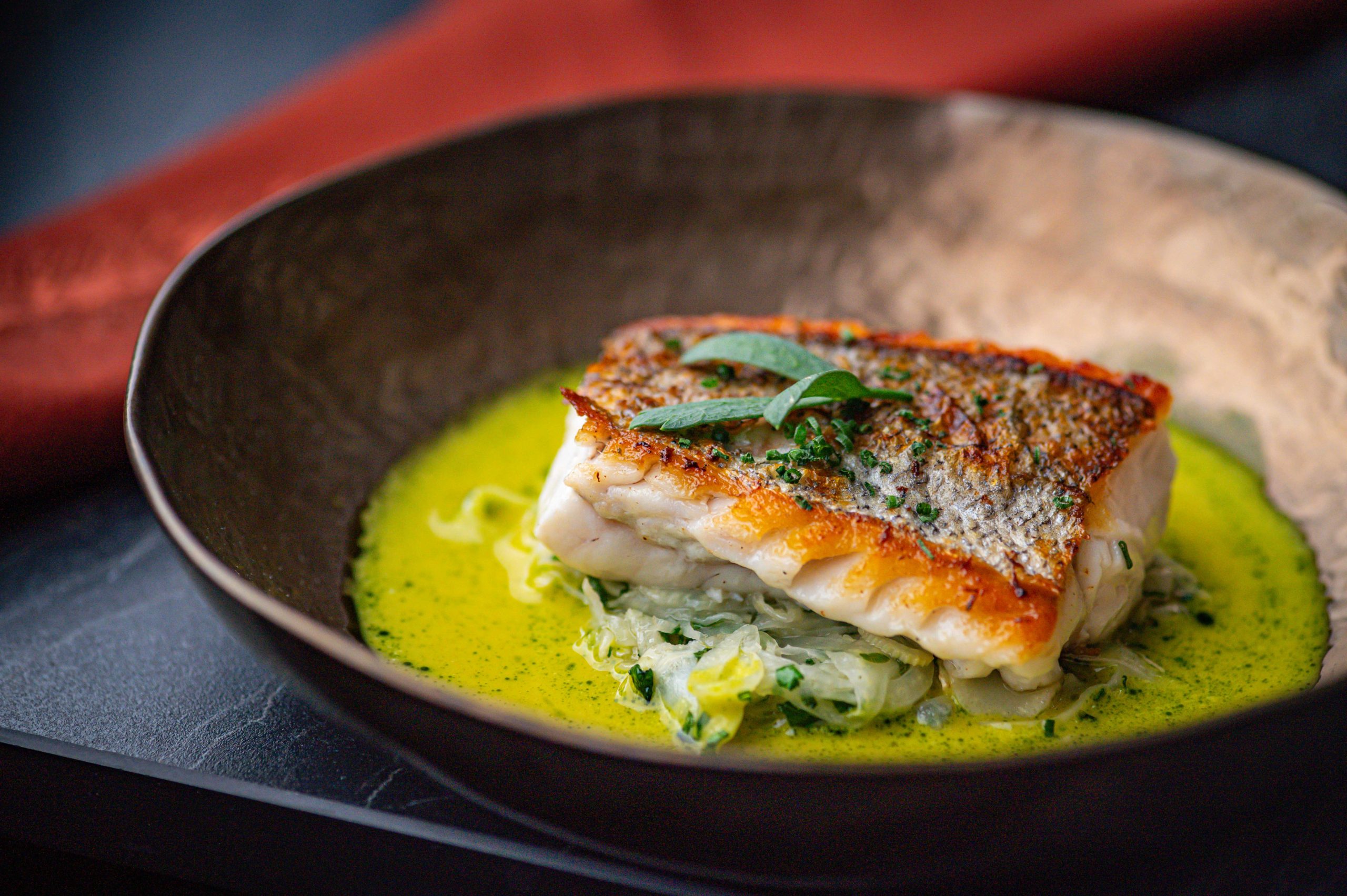
The same is true of British meat, fish and seafood. The aim is to work with the natural qualities of the ingredient, rather than disguising them beneath unnecessary layers of flavour.
This balance allows the food to remain connected to Indian tradition while also belonging to the place in which it is being served.
Making considered choices
Responsible sourcing involves more than a single label or claim. It means asking practical questions about quality, seasonality, provenance and how an ingredient has been produced.
It also means building good relationships with suppliers and listening to their knowledge. Farmers, fishers, growers and specialist producers often understand the changing quality and availability of their ingredients better than anyone else.
Those conversations can influence the menu. If a particular ingredient is not at its best, the responsible decision may be to use something else rather than insist that a dish remains unchanged throughout the year.
Specific producer partnerships for Romy Gill at The Pem will be shared once they have been confirmed and approved.
Using ingredients thoughtfully
Responsibility continues after ingredients arrive in the kitchen.
Good menu planning considers how produce can be used efficiently and where less familiar cuts, trimmings or parts of a vegetable might have value. Stocks, sauces, pickles, chutneys and preserves can all offer thoughtful ways to build flavour while making fuller use of what has been sourced.
Indian cooking provides many examples of this resourcefulness. Preserving, fermenting, drying and transforming ingredients have long helped cooks extend a harvest and reduce unnecessary waste.
The objective is not to add complexity for its own sake. It is to treat every ingredient with care and make each element on the plate earn its place.
Food shaped by flavour and place
At Romy Gill at The Pem, sourcing and cooking are part of the same conversation.
The menu draws on regional Indian traditions, Romy’s memories and her travels, while responding to the seasons and the quality of the ingredients available to the kitchen. This approach allows dishes to evolve rather than remain fixed without regard for nature.
Responsible sourcing is an ongoing commitment, not a finished statement. It depends on asking questions, choosing carefully and being transparent about where ingredients come from.
Above all, it should be evident in the food: produce that tastes as it should, spices used with precision and dishes that feel connected both to India and to the British seasons.